


End Gender Stereotype: VC FUO
Calls on Men to Champion Equality and End GB
The Vice-Chancellor of Federal University Otuoke (FUO), Bayelsa State, Professor Promise Mebine, has called for the elimination of harmful gender stereotypes that fuel gender-based violence (GBV).
He also urged the society to accord women the respect, support and opportunities needed to fulfil their God-given potential.
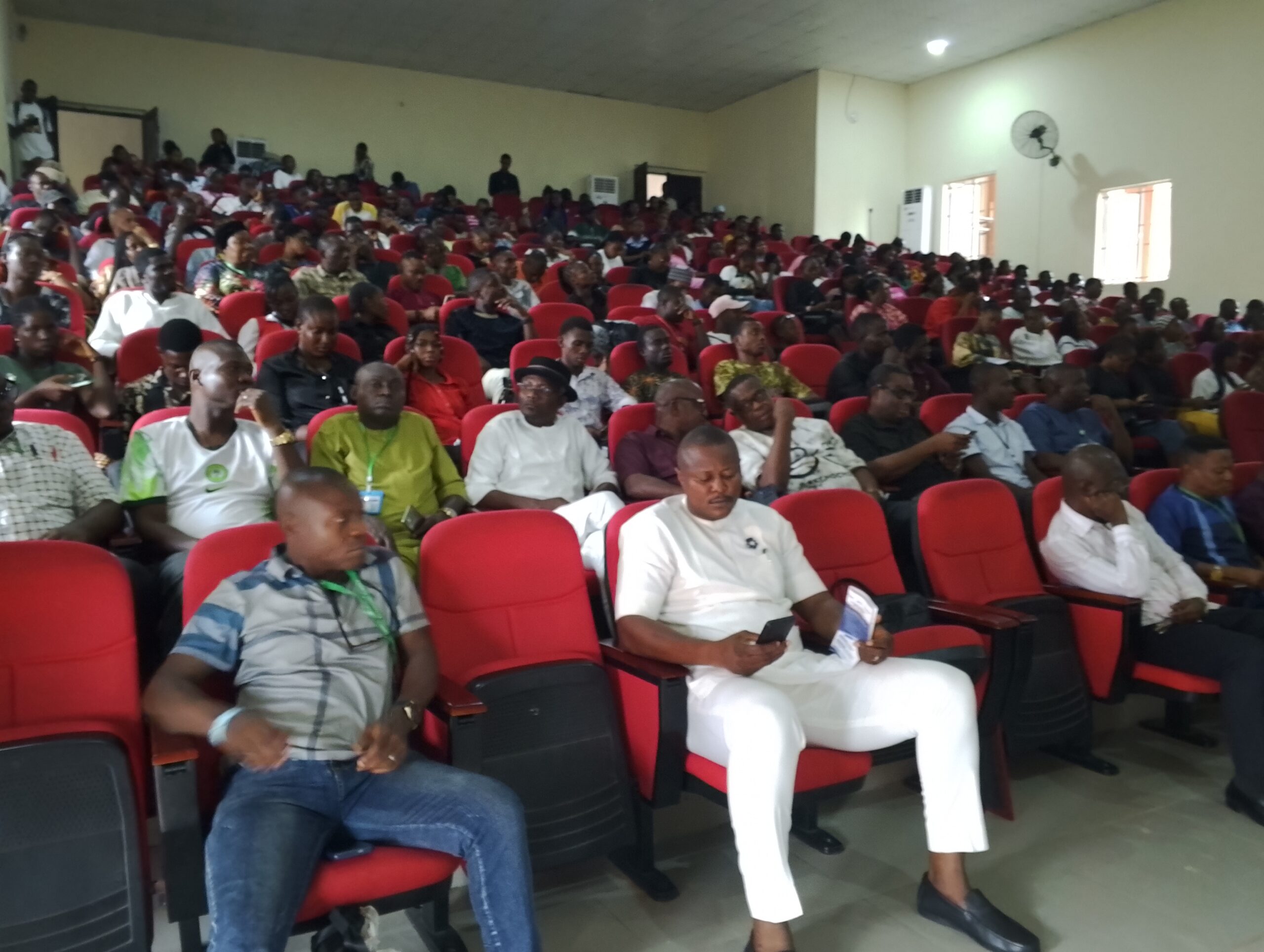
Professor Mebine made the call on Thursday during a step-down training for students of the Faculty of Social Sciences organised by the Male Feminist Network (MFN), the African Centre for Leadership, Strategy and Development (Centre LSD), the Development Centre, and the Value Rebirth and Empowerment Initiative (VREI), with support from the Ford Foundation.
Addressing participants, the Vice-Chancellor described men and women as partners in nation-building, stressing that both genders possess equal dignity and deserve equal respect.
He noted that the Bible affirms the equal worth of men and women, adding that no evidence suggests women are less capable or intelligent than men.
“Today, I call on everyone to ensure that our mothers, wives, sisters and daughters are treated with dignity and supported to fulfil their God-given potential. Men must see themselves as allies of women, and every action or practice that diminishes women’s lives should be condemned,” he said.
Professor Mebine observed that although men can also experience violence, gender-based violence in Nigeria and across the world disproportionately affects women.
He cited the low representation of women in politics as another manifestation of gender inequality.
He urged students to become advocates for gender equality, positive masculinity and the prevention of GBV, expressing confidence that the training would equip them to promote healthier relationships and greater inclusion both on campus and in society.
The Vice-Chancellor also stated that Federal University Otuoke has maintained a gender-friendly environment, noting that women occupy several key leadership positions within the institution.
In his opening remarks, the Dean of the Faculty of Social Sciences, Professor Joseph Oke Omoro, commended the Vice-Chancellor for creating an atmosphere that encourages academic freedom and progressive learning.
He urged students to pay close attention to the training, expressing optimism that it would reshape attitudes among young men and women and encourage them to challenge gender-based violence and other harmful cultural practices.
Representing the Assistant Inspector-General of Police, Zone 16 Headquarters, Yenagoa, ACP John John, the officer in charge of Administration, reaffirmed the commitment of the Nigeria Police Force to promoting gender justice and protecting the rights and dignity of women and girls.
He said the Force remains guided by the Constitution, the Administration of Criminal Justice Act, the Violence Against Persons (Prohibition) Act and other relevant laws in ensuring a victim-centred response to sexual and gender-based violence.
Delivering a lecture on “Engaging Men as Allies for Gender Equality, Positive Masculinity and the Prevention of Gender-Based Violence,” the Coordinator of the Male Feminist Network (MFN) South-South and Chief Executive Officer of VREI, Pastor Edewor Egedegbe, described feminism as creating an enabling environment where both men and women can thrive based on equality, equity and mutual respect.
According to him, the movement seeks to guarantee equal rights, opportunities and fair treatment for everyone regardless of gender.
He urged participants to become ambassadors of the campaign by spreading its message across their communities, wards, local government areas and associations to help build a society free from gender-based violence.
Pastor Egedegbe emphasised that while family roles may differ, opportunities in education, employment and other areas of human endeavour should remain open to all based on ability rather than gender.
He stressed that equality should not be misunderstood but viewed as ensuring that no individual is denied opportunities because of gender.
The training featured interactive question-and-answer sessions, the induction of participants as Male Feminist Network ambassadors by the South-South Coordinator, and the presentation of certificates to participants.
