


Subsidy Removal Worsened Nigerians’ Hardship, Says Ex-SURE-P Board Member, Backs Atiku’s 2027 Proposa
By Crystalnews Admin
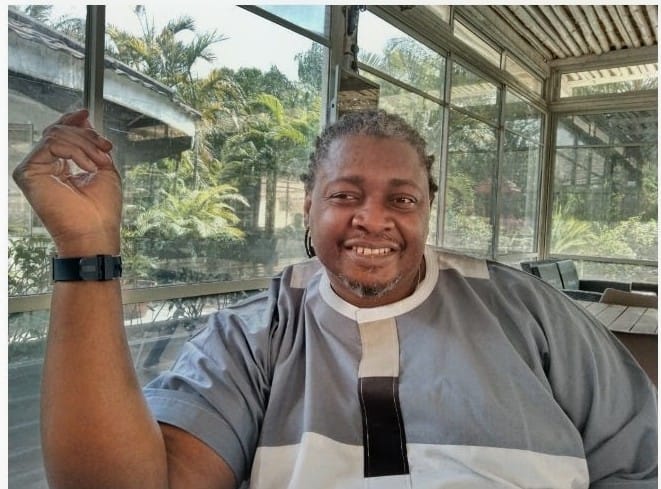
A former board member of the Subsidy Reinvestment and Empowerment Programme (SURE-P), Dr. Chike Okogwu, has backed former Vice President Atiku Abubakar’s proposal to restore fuel subsidy, arguing that its removal has placed an unbearable burden on Nigerian households.
Okogwu, who represented Persons with Disabilities on the SURE-P Board between 2012 and 2015, made the position known in a statement issued in Abuja on Monday.
He argued that the major problem with fuel subsidy was not the policy itself, but the corruption, fraud and mismanagement associated with its implementation.
According to him, the removal of subsidy has merely shifted the burden of rising petrol costs from government to already struggling Nigerians.
“The Federal Government’s fuel subsidy gamble has shifted the crushing burden of petrol costs from government to already battered households,” he said.
Okogwu said the government could not claim success from subsidy removal while Nigerians continued to face escalating costs of transportation, food, healthcare and education.
He, however, called for a comprehensive reform of the subsidy system rather than its outright abandonment, stressing that technology should be deployed to eliminate leakages and prevent fraud.
“The real battle should be against fraud and diversion — not against a mechanism capable of cushioning Nigerians from runaway fuel prices,” he stated.
He proposed the use of the Bank Verification Number (BVN) and other digital identification systems to authenticate beneficiaries, while also tracking petroleum products and payments from refineries to filling stations.
Okogwu said such a system would enable the government to monitor the movement of petroleum products and corresponding payments, thereby making diversion and fraudulent claims more difficult.
Reflecting on his experience with SURE-P, the former board member said savings generated from subsidy reforms could be channelled into critical infrastructure and social intervention programmes.
He cited projects including the Second Niger Bridge, Loko-Oweto Bridge, federal road projects and railway rehabilitation as some of the initiatives supported through the programme.
Okogwu also rejected calls for SURE-P to be completely discarded because of allegations of corruption, arguing that individuals found to have abused public resources should be held accountable rather than abandoning the lessons and achievements of the programme.
He said the post-subsidy era had placed severe pressure on vulnerable Nigerians, noting that increases in petrol prices had translated into higher transportation costs, which in turn affected the prices of food, healthcare and education.
According to him, persons with disabilities, the elderly and low-income earners have been among the worst affected.
He also demanded greater transparency over the funds saved from subsidy removal, insisting that Nigerians deserved to know how the savings had been utilised.
The former SURE-P board member further urged the government to strengthen support for domestic refining, arguing that Nigeria’s continued dependence on imported petroleum products leaves the country vulnerable to fluctuations in global oil prices.
He cautioned that any attempt to restore subsidy without addressing the loopholes that fuelled corruption in the past could lead to a repetition of previous mistakes.
He said any new subsidy arrangement must be transparent, technology-driven and accountable, while ensuring that vulnerable groups, including persons with disabilities, widows, students, farmers and low-income earners, receive adequate protection.
Okogwu urged policymakers to confront the shortcomings of SURE-P without discarding its lessons, stressing the need for a future subsidy framework that is transparent, accountable and capable of delivering measurable benefits to Nigerians.
