


EBOLA ALERT: Symptoms Nigerians Must Not Ignore, How to Protect Yoursel
By Crystalnews
Nigeria’s confirmation of an imported Ebola case has renewed concerns about the country’s preparedness to contain the deadly viral disease, prompting the Federal Government to order stricter screening at airports and other designated points of entry.
But beyond screening travellers, health experts say public awareness, early detection, infection prevention and prompt reporting of suspected cases are essential to preventing a wider outbreak.
The Federal Government’s latest directive followed reports of lapses in approved Ebola screening procedures.
In a circular dated October 22, 2026, the Federal Ministry of Health and Social Welfare directed relevant ministries, departments and agencies (MDAs) to strengthen surveillance, improve information-sharing and ensure accountability in the enforcement of entry protocols.
The circular, with reference number PS/FMOH/08/VIII/48, was signed by the ministry’s Permanent Secretary, Daju Kachollum, on behalf of the Coordinating Minister of Health and Social Welfare, Prof. Muhammad Ali Pate.
The ministry called for consistent, effective and non-discriminatory enforcement of screening procedures, health declaration requirements and other approved measures.
It also directed agencies to document and report actual or attempted breaches and ensure that officials carrying out their duties were not subjected to undue interference.
The directive comes after Nigeria confirmed an imported case of Ebola disease in the Federal Capital Territory, Abuja, on October 20, 2026.
According to the World Health Organisation (WHO), the patient is a woman who travelled to Nigeria from Uganda and was diagnosed with Bundibugyo virus disease, a form of Ebola disease. Her symptoms reportedly began on October 7, and she sought medical care on October 11.
As of the initial announcement, health authorities had identified 44 contacts for monitoring and intensified efforts to prevent further transmission.
The patient was placed in isolation and received medical care. Investigations into her travel and exposure history were ongoing.
The development underscores the importance of understanding Ebola, recognising its warning signs and knowing what to do when infection is suspected.
What is Ebola disease?
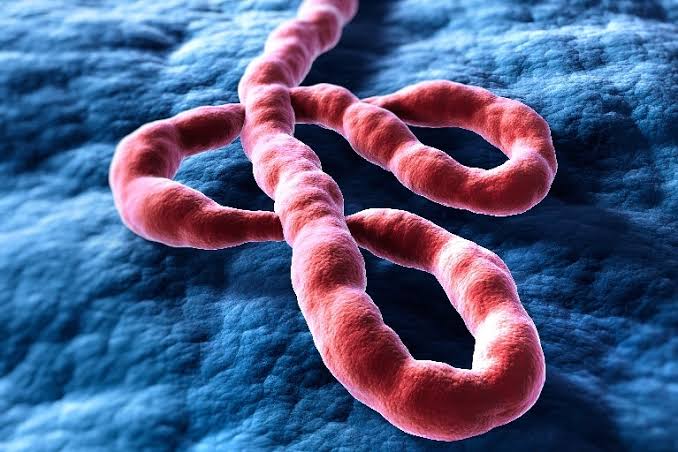
Ebola disease is a rare but severe illness caused by viruses belonging to the orthoebolavirus group. It can cause serious complications and death, particularly when patients do not receive timely, appropriate medical care.
Several types of Ebola viruses are known. They include the Ebola virus, Sudan virus and Bundibugyo virus, which can cause outbreaks in humans.
The current case confirmed in Nigeria was attributed to the Bundibugyo virus, according to the WHO.
Previous Ebola outbreaks have caused substantial loss of life in different parts of Africa.
The 2014–2016 outbreak in West Africa was particularly devastating, affecting Guinea, Liberia and Sierra Leone, with cases also reported in other countries.
Nigeria experienced an Ebola outbreak in 2014 after an infected traveller arrived in Lagos. Through isolation, contact tracing, infection prevention and coordinated public health action, the country contained that outbreak.
The experience demonstrated that although Ebola poses a serious threat, early detection and an effective response can prevent extensive transmission.
How does Ebola spread?
One of the most important facts about Ebola is that it does not spread simply because someone is in the same room or location as an infected person.
According to the WHO, Ebola spreads mainly through direct contact with the blood or other bodily fluids of a person who is sick with the disease or has died from it.
These fluids may include vomit, faeces, urine, saliva and other secretions. Infection can occur when contaminated material enters the body through broken skin or the eyes, nose or mouth.
People may also become infected by touching objects contaminated with infected bodily fluids, including clothing, bedding, medical equipment and other materials.
Healthcare workers and family members caring for sick people may face particular risks if they do not use appropriate protective equipment and follow infection prevention procedures.
Handling the bodies of people who have died from Ebola can also transmit the infection, making safe and dignified burial practices important during an outbreak.
The virus is not ordinarily transmitted through casual contact, such as simply passing an infected person on the street.
People do not transmit Ebola before symptoms develop, although they can become infectious once they are ill.
This distinction is important because misinformation and unnecessary fear can lead to the stigmatization of travellers, patients and their families.
Warning signs Nigerians should know
Ebola symptoms can begin suddenly and may initially resemble those of common illnesses, including malaria and other infections.
The incubation period — the time between infection and the appearance of symptoms — is generally between two and 21 days.
Early symptoms may include:
Sudden fever.
Severe headache.
Unusual tiredness or weakness.
Muscle and body pain.
Sore throat.
As the illness progresses, patients may develop:
Vomiting and diarrhoea.
Abdominal pain.
Loss of appetite.
Skin rash.
Signs of kidney or liver dysfunction.
Bleeding in some cases, including blood in vomit or stool, or bleeding from the nose or gums.
Although Ebola is commonly associated with bleeding, bleeding does not occur in every patient and may appear only in later stages.
The WHO warns that Ebola can be difficult to distinguish from other diseases during its early stages because symptoms overlap with illnesses such as malaria, typhoid fever and other infections.
Consequently, having a fever does not automatically mean that a person has Ebola.
However, a person who develops compatible symptoms after possible exposure or travel to an affected area should seek urgent medical assessment.
Early recognition is particularly important because delays in identifying a suspected case can expose healthcare workers, caregivers and other contacts to infection.
What should you do if you suspect Ebola?
If you develop symptoms after possible exposure to Ebola, or if you have been informed that you are a contact of a confirmed case, take the following steps:
1. Contact health authorities immediately.
Seek guidance from the relevant public health authorities or a designated health facility. Explain your symptoms, travel history and any possible contact with an infected person.
2. Avoid exposing other people.
Do not visit crowded places or continue normal social activities while awaiting urgent medical guidance.
Avoid close physical contact and do not attempt to treat a suspected Ebola infection at home.
3. Do not travel to another hospital without first alerting health officials.
Call ahead and explain the situation so that healthcare workers can prepare appropriate infection prevention measures and arrange safe assessment or transfer.
4. Avoid contact with bodily fluids.
Do not handle vomit, blood, stool, clothing or bedding that may be contaminated. If caregiving is unavoidable while awaiting professional assistance, follow instructions from trained health personnel.
5. Cooperate with contact tracing.
Provide accurate information about people you may have encountered during the relevant period.
Contact tracing enables health teams to identify and monitor people who may have been exposed before they unknowingly spread the infection.
People identified as contacts should follow the instructions of public health officials and report any symptoms immediately.
How Nigerians can protect themselves
While the government strengthens screening at airports and other entry points, individuals and communities also have a role to play.
Practise regular hand hygiene: Wash your hands with soap and running water, particularly after using the toilet, before eating and after potentially contaminated contact.
Use an appropriate alcohol-based hand sanitiser when soap and water are unavailable and your hands are not visibly dirty.
Avoid contact with suspected cases: Do not touch the blood or bodily fluids of anyone suspected of having Ebola. Leave patient care to trained personnel using appropriate protective equipment.
Do not handle bodies of suspected Ebola victims: Safe burial procedures should be conducted by trained teams in accordance with public health guidance.
Avoid contact with sick or dead wild animals: Ebola can enter human populations through exposure to infected animals.
Do not handle or butcher animals found dead or appearing sick in affected areas.
Seek medical attention promptly: Do not dismiss unexplained fever or other compatible symptoms when there is a credible history of exposure.
Follow official travel advice: Travellers should comply with health screening, answer health declaration questions honestly and provide accurate contact information.
Avoid rumours: Rely on verified announcements from the Nigeria Centre for Disease Control and Prevention (NCDC), the Federal Ministry of Health and Social Welfare, and the WHO rather than unverified social media messages.
Is there a vaccine or cure for Ebola?
Treatment options depend on the virus responsible for the infection.
For Ebola disease caused by the Zaire ebolavirus, specific vaccines and antibody-based treatments have been developed and used in appropriate circumstances.
However, these products should not be assumed to protect against every type of Ebola virus.
The current Nigerian case involves Bundibugyo virus, for which the availability and effectiveness of specific vaccines or treatments differ.
There is no basis for assuming that a vaccine developed for one Ebola virus species will automatically protect against another.
Patients with Ebola require specialised medical care. Supportive treatment may include fluids and electrolyte replacement, management of symptoms, nutritional support and treatment of complications.
Early medical care can improve the chances of survival. Researchers continue to investigate vaccines and treatments for Ebola virus species for which specific countermeasures remain limited.
Members of the public should not take unverified herbal mixtures, supplements or other purported remedies as substitutes for medical assessment and treatment.
Why screening and surveillance matter
Ebola outbreaks can cross national borders through international travel. This makes surveillance at airports and other designated points of entry an important component of public health preparedness.
However, screening alone cannot identify every infection. A traveller may pass through an entry point before developing symptoms, as the timeline of the confirmed Nigerian case illustrates.
For that reason, effective preparedness requires several measures working together: early detection, laboratory testing, isolation of suspected and confirmed cases, contact tracing, infection prevention in health facilities and timely public communication.
The Federal Government’s latest directive seeks to strengthen these safeguards by requiring agencies to comply with approved protocols, report breaches and improve coordination.
The instruction that health officials be allowed to perform their duties without undue interference is also significant.
Screening and surveillance measures are effective only when properly implemented and supported.
Public and private hospitals must remain alert to possible cases, obtain relevant travel and exposure histories, protect their staff and promptly notify public health authorities when a suspected case is identified.
At the community level, people must be able to report concerns without fear of discrimination or public humiliation.
What does the Ebola alert mean for Bayelsa and other states?
Although the confirmed case was reported in Abuja, the need for vigilance extends beyond the Federal Capital Territory.
Bayelsa and other states should ensure that health facilities know how to recognise suspected cases, notify the appropriate authorities and follow national referral and infection prevention procedures.
Health authorities should also maintain communication with communities, strengthen disease surveillance and ensure that accurate information reaches residents in accessible language.
For Bayelsa, where residents travel frequently for work, business, education and family activities, public awareness should focus on practical prevention rather than panic.
People who have no known exposure should not assume that ordinary daily activities place them at high risk of Ebola.
At the same time, anyone who may have been exposed should take public health instructions seriously.
State health authorities, local government health departments, healthcare providers and community leaders can help by sharing verified information and directing residents to appropriate reporting channels.
The danger of stigma and misinformation
During disease outbreaks, fear can spread faster than reliable information.
People returning from affected areas may face discrimination even when they have no symptoms or known exposure.
Families of suspected patients may also be ostracised, while false claims about supposed cures can discourage people from seeking medical attention.
Such behaviour can undermine disease control by driving people away from health services and discouraging honest disclosure of travel or exposure histories.
Ebola prevention requires responsible communication, confidentiality and compassion. People who may have been exposed should be encouraged to cooperate with health officials rather than threatened or publicly shamed.
Equally, the public should avoid circulating photographs, names or personal information about suspected patients without authorisation.
The way forward
Nigeria’s confirmation of an imported Ebola case is a reminder that public health threats require preparedness before an outbreak occurs and decisive action when a case is detected.
The Federal Government’s directive on stricter screening and surveillance is an important step, but its success will depend on effective implementation across agencies and health facilities.
Authorities must ensure that screening personnel are adequately supported, laboratories can safely conduct the required tests, hospitals maintain infection prevention standards and contact-tracing teams have the resources to work effectively.
Public communication must also be timely, consistent and transparent enough to maintain trust.
For Nigerians, the message is straightforward: understand the symptoms, avoid contact with potentially infectious bodily fluids, report possible exposure promptly and follow verified medical advice.
Ebola is a serious disease, but fear and rumours are not solutions. Early detection, responsible behaviour and coordinated public health action remain essential to preventing further transmission and protecting lives.
Health Advisory:
Anyone who suspects exposure to Ebola or develops compatible symptoms after a possible exposure should contact the appropriate public health authorities immediately. Do not attempt to diagnose or treat suspected Ebola at home.
Sources: World Health Organisation; Federal Ministry of Health and Social Welfare; Nigeria Centre for Disease Control and Prevention.
