


BLACK SAND MINING: NAVY ARRESTS 8, SEIZES 4,000 BAGS IN BAYELSA
 Peace Osigwe
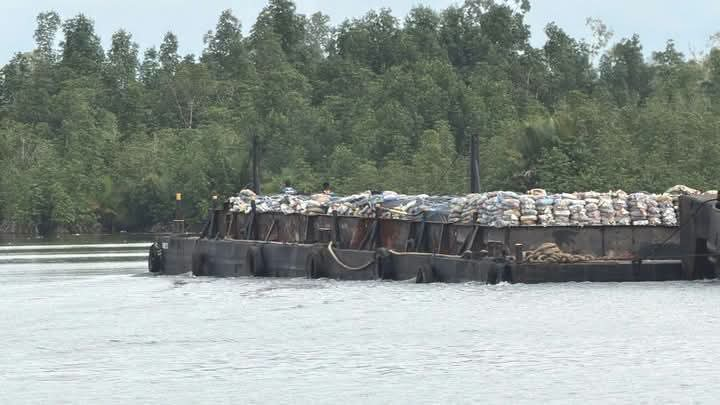
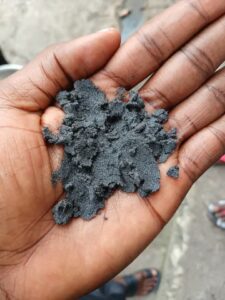
The growing controversy surrounding black sand mining in Bayelsa State has taken a fresh turn following the interception of a wooden boat conveying 4,000 bags of suspected illegally mined black sand by the Nigerian Navy.
Eight crew members were arrested during the operation carried out by personnel of the Navy’s Forward Operating Base (FOB) FORMOSO at about 7:58pm on November 11, 2026, at Tebidaba 2 Houseboat.
The interception has renewed concerns over the activities of miners and operators involved in the extraction and transportation of mineral resources from Bayelsa’s coastal communities.
According to reports, preliminary investigations revealed that the boat supervisor, identified as Abraham, could not produce valid documents authorising the transportation of the mineral resources.
A document subsequently presented by one Theophilus, who claimed ownership of the cargo, was also considered insufficient to establish the legality of the operation.
The Navy initially secured the suspects, boat and cargo at Tebidaba 2 Houseboat for further investigation.
However, following the discovery that the vessel was in poor condition, with severe water ingress, the eight suspects, alongside the boat and its contents, were handed over to the Nigeria Police Force at Ologbobiri in Southern Ijaw Local Government Area on November 12.
The handover was carried out in collaboration with the Bayelsa State Security Coordinator.
The Commanding Officer of FOB FORMOSO, Captain S.K. Haruna, commended the naval personnel for their vigilance, warning that criminal activities would not be tolerated within the waterways.
He urged miners to obtain the necessary approvals from the federal and state governments before engaging in mining activities or transporting mineral resources.
The latest development comes amid growing concerns over the increasing commercial exploitation of black sand deposits in coastal communities, particularly Sangana, Odioma and Akassa in Brass Local Government Area.
Although the trade has created economic opportunities for some residents, environmentalists and community stakeholders have warned that unregulated extraction could worsen coastal erosion, threaten fishing livelihoods and expose vulnerable settlements to further environmental damage.
Bayelsa State Governor, Douye Diri, had earlier warned against unregulated black sand mining, insisting that the state would not allow the exploitation of its natural resources to reproduce the environmental problems associated with decades of oil and gas activities.
The governor also disclosed plans to strengthen regulation of activities involving the transportation of black sand and other resources through the state’s waterways.
The Navy’s latest interception therefore raises fresh questions about the effectiveness of existing regulatory arrangements and the extent to which mining operators are complying with applicable laws.
Beyond the arrests, stakeholders are expected to demand answers about the identities of the financiers, the actual owners of the mineral deposits, the intended destination of the seized consignment and the revenue accruing to the government and host communities.
There are also concerns about whether the communities bearing the environmental consequences of extraction are receiving adequate benefits from the commercial exploitation of their natural resources.
For coastal residents already battling erosion and the gradual loss of ancestral settlements, the black sand business presents a difficult choice between immediate economic benefits and the long-term protection of their environment.
The latest naval operation has once again brought the debate to the fore: how can Bayelsa harness the economic value of its mineral resources without sacrificing its coastline, livelihoods and future?
The authorities are expected to sustain investigations into the latest interception and establish whether the operators possessed the required statutory approvals.
