


- PIA in Action: How Anatolia Energy Is Building Capacity and Hope in Nembe-Okiori Before First Oil Flows
Synopsis:For decades, communities in Nigeria’s oil-rich Niger Delta have watched vast natural resources leave their lands while development lagged behind.
The passage of the Petroleum Industry Act (PIA) 2021 signaled a new chapter, offering host communities a greater stake in the wealth generated from their environment through the establishment of Host Community Development Trusts (HCDTs).
One of the most significant provisions of the Act is the requirement that oil and gas operators contribute three per cent of their annual operating expenditure to community development through the Trusts.
Across the region, this provision is gradually transforming expectations into reality, with communities beginning to see development projects and increased participation in decision-making.
In Bayelsa State, Anatolia Energy and Services Limited is taking an unusual approach. Even before commencing oil production at the Nembe-Okiori Oilfield, the company is investing in preparing its host communities for the opportunities and responsibilities that come with the PIA.
Building Institutions Before Revenue:
Recognising that sustainable development requires strong leadership and sound governance, Anatolia Energy partnered with the Nigerian Upstream Petroleum Regulatory Commission (NUPRC) to establish the Nembe-Okiori Host Community Development Trust in 2025.
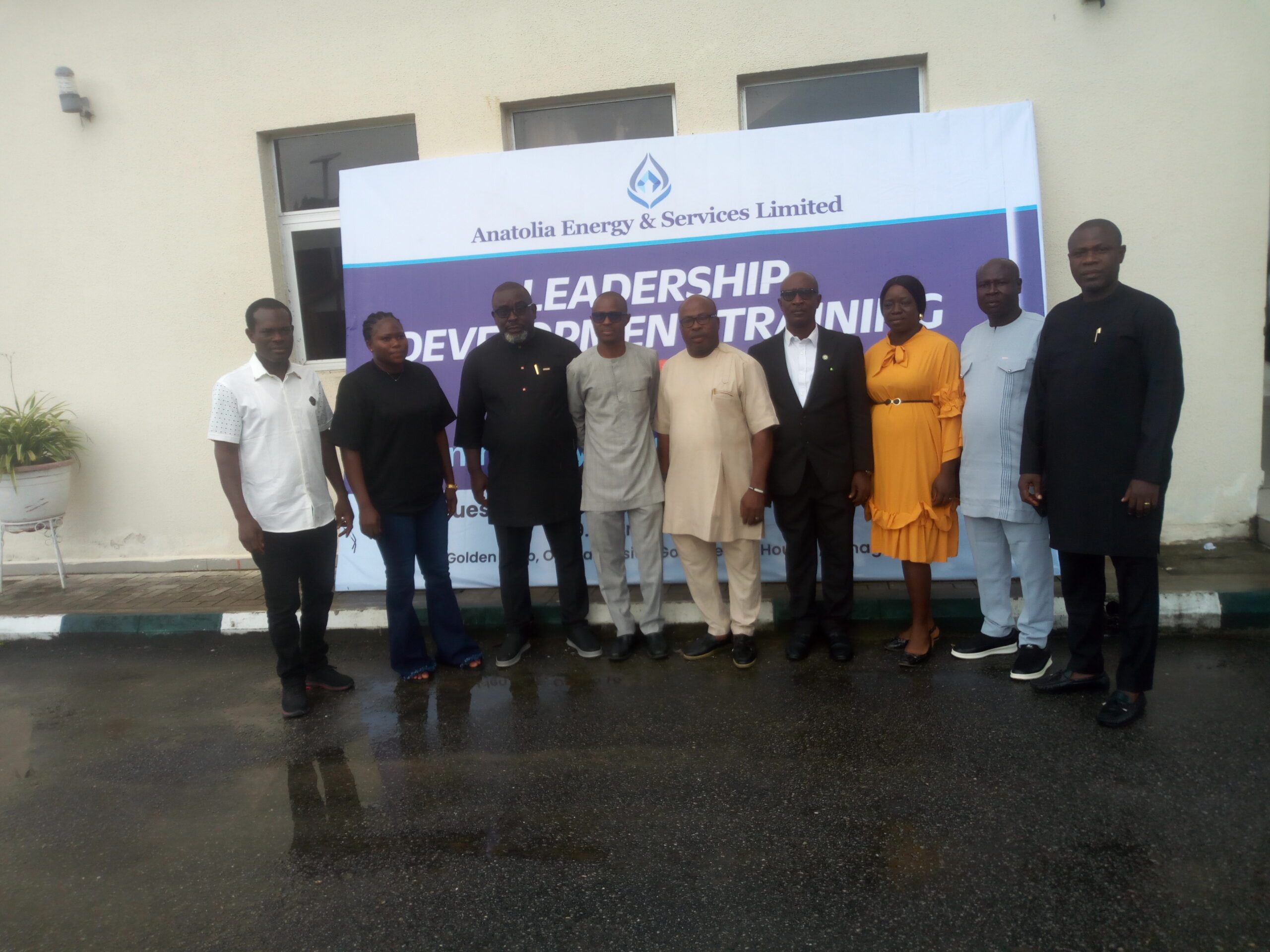
To strengthen the Trust’s capacity, the company recently organised a three-day leadership and management training programme in Yenagoa for members of the Trust.
The programme focused on strategic leadership, effective management, stakeholder engagement, teamwork, communication, conflict resolution, and the legal framework guiding the operations of Host Community Development Trusts under the PIA.
Speaking during the opening session, the Chief Operating Officer of Anatolia Energy and Services Limited, Dr. Adeleke Adedipe, described the initiative as a deliberate effort to equip community leaders with the skills needed to manage development resources effectively and promote sustainable growth.
According to him, building the capacity of the Trust now will create a solid foundation for future development once production begins.
Setting the Record Straight on Production:
Amid growing expectations within host communities, Dr. Adedipe used the occasion to clarify that Anatolia Energy has not yet commenced production at the Nembe-Okiori Oilfield.
He explained that the company is still completing critical technical processes, including clearing water, bitumen and mud from storage facilities before production can begin.
The process, he noted, must also undergo certification by the Nigerian Upstream Petroleum Regulatory Commission.
The company currently relies on a storage barge and is working through regulatory requirements and logistical arrangements, including transporting crude to Brass for separation processes.
Despite the delays, optimism remains high:
“Our joy is that in the next couple of weeks, depending on final approvals and clearance by NUPRC, we are going to start production,” Adedipe said.
For many community members, that announcement represents the beginning of a long-awaited era of development and economic opportunities.
NUPRC Applauds Capacity-Building Efforts:
The NUPRC commended Anatolia Energy for investing in leadership development at the community level.
Representing the Commission Chief Executive, the Bayelsa State Field Office Manager, Mr. Sylvester Bighoro, described the training as an important step towards ensuring effective implementation of the PIA.
According to him, leadership is fundamentally about service, and empowering community representatives with the right knowledge will improve governance and strengthen collaboration between operators and host communities.
He urged participants to immediately put their newly acquired knowledge into practice to improve the welfare of their communities.
Government Calls for Peace and Dialogue:
The Bayelsa State Government also welcomed the initiative. Represented by the Director of Petroleum in the Ministry of Mineral Resources, Engr. Kuroakighe Simon Mathias, the Commissioner for Mineral Resources praised the company’s commitment to capacity development.
He encouraged community leaders to embrace dialogue and alternative conflict-resolution mechanisms whenever disputes arise, warning that prolonged litigation often delays development and discourages investment.
His message reflected a growing consensus that peaceful engagement and collaboration are critical to maximizing the benefits provided by the PIA.
A New Understanding of Leadership:
For participants, the training offered lessons that extended far beyond administrative procedures.
Youth Representative and Secretary of the Board of Trustees, Ebimoboere Allen Golubo, described the programme as a valuable learning experience that deepened her understanding of leadership, youth engagement and conflict resolution.
She emphasized the importance of patience, listening and unity in driving community development.
Other participants echoed similar sentiments, stressing that the future success of the Trust will depend on the willingness of leaders to work together and place community interests above personal ambitions.
For Ine Egbokomu, the training served as an eye-opener, providing clarity on the responsibilities attached to the Trust and the need for transparency and cooperation.
She called for similar sensitisation programmes to be extended to grassroots community members to reduce misunderstandings and strengthen public participation.
Women Looking Forward to Inclusive Development:
Women representatives at the training expressed hope that the eventual commencement of production would bring meaningful improvements to living conditions across the eight host communities.
Camron Julie Tare, the Women Representative in the Trust, said residents are looking forward to projects such as healthcare facilities, schools, scholarships and access to clean water.
She also advocated greater inclusion for persons living with disabilities, insisting that development must benefit every segment of society.
Her optimism reflects a broader expectation that the PIA can become a catalyst for social transformation if implemented effectively.
Environmental Challenges Remain:
While enthusiasm about future development is growing, community leaders insist that longstanding environmental concerns must not be ignored.
Chairman of the Board of Trustees, Chief Youngdede Howells Isaiah, highlighted the severe ecological damage experienced by communities within the Nembe-Okiori Oilfield area.
According to him, repeated pollution incidents from nearby oil operations have significantly affected fishing activities and depleted aquatic resources that once sustained local livelihoods.
Although he welcomed the three per cent contribution provided under the PIA, he argued that the funding alone cannot address decades of environmental degradation.
He called for additional support from development partners and international organisations to complement community development efforts.
Experts Advocate Service-Oriented Leadership:
The training also featured experts who challenged participants to embrace a culture of service and accountability.
Leadership consultant Dr. Emmanuel Dorgbaa reminded attendees that true leadership is measured not by titles but by the ability to improve people’s lives.
Similarly, legal practitioner and arbitrator Folake Sadiq encouraged Trust members to explore mediation, arbitration and negotiation before resorting to court action whenever disputes arise.
Their message reinforced one central theme throughout the programme: development resources can only deliver lasting impact when managed transparently, responsibly and in the collective interest of host communities.
Looking Beyond First Oil:
As Anatolia Energy moves closer to commencing production at the Nembe-Okiori Oilfield, expectations continue to rise across the host communities.
Yet the company’s decision to prioritise leadership development before production begins may prove just as important as the oil itself.
By investing in people, institutions and governance structures ahead of first oil, Anatolia is helping to lay the groundwork for a more transparent and accountable model of community development.
For the people of Nembe-Okiori, the promise of the PIA is no longer solely about revenue. It is increasingly about building capable institutions, nurturing responsible leadership and creating a future where development is driven not only by resources beneath the ground, but by the people entrusted to manage them.
