


Understanding Cannabis Through the Eyes of a Smoker: Personal Beliefs, Scientific Evidence and Public Misconception
A conversation with a regular cannabis smoker offers a revealing glimpse into why many users continue to defend the substance despite growing public health concerns.
During an extensive discussion, the smoker described different grades of cannabis, explained why many users believe it is less harmful than commonly portrayed, and argued that misinformation and social stigma have shaped public perception.
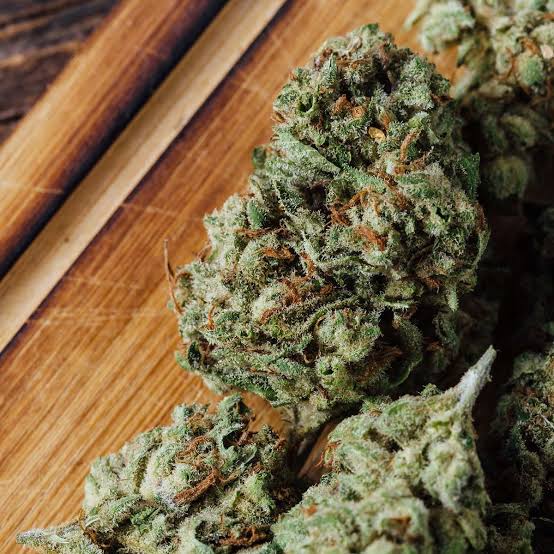
The smoker explained that cannabis is sold in different qualities and prices.
According to him, the lowest grade is popularly known as “Igbo,” followed by stronger and more expensive varieties such as Loud, Scottish, G H Gold and Canadian Loud.
He claimed that Canadian Loud is among the most expensive, costing between ₦20,000 and ₦25,000 per gram.
He argued that cannabis contains tetrahydrocannabinol (THC), a compound that interacts with naturally occurring cannabinoid receptors in the human body.
According to him, THC improves blood circulation, reduces stress, increases dopamine levels, regulates mood and makes users feel happier and more relaxed.
He also claimed that the redness often seen in the eyes of cannabis users results from increased blood flow.
The smoker maintained that cannabis should not be classified alongside hard drugs such as methamphetamine, tramadol or dangerous synthetic substances. Instead, he described it as a recreational herb that many people use to relax or improve their mood.
While acknowledging that cannabis is not suitable for everyone, he insisted that moderation is important, arguing that almost anything can become harmful when consumed excessively.
To support his point, he compared cannabis with sugar, salt, oxygen and even everyday activities, saying that excessive use of virtually anything can pose health risks.
The smoker also blamed what he described as widespread ignorance and long-standing stereotypes for society’s negative perception of cannabis.
He argued that tobacco has been proven to contain carcinogens and causes far more deaths worldwide than cannabis, yet tobacco remains legal in many countries.
He further claimed that some scientific studies have shown that cannabis smokers do not necessarily suffer reduced intelligence or long-term mental decline.
According to him, smoking cannabis alone does not make people violent, irrational or incapable of living productive lives.
He argued that many successful musicians, artists and creative professionals consume cannabis while remaining productive.
Discussing its immediate effects, he admitted that cannabis can slow a person’s perception of time and make movements more relaxed.
A user, he explained, may take longer to stand up or react to events, not because the body has stopped functioning but because the brain processes information differently while under the influence.
The smoker also suggested that the act of smoking itself—including slow, deep breathing—may contribute to feelings of relaxation by lowering stress levels, although he acknowledged that the ritual of smoking and the drug’s effects may work together.
Addressing concerns about dependence, he said cannabis does not permanently alter the brain but temporarily binds to cannabinoid receptors before its effects gradually wear off.
He described the drug as helping users focus on the present moment, forget temporary worries and improve their mood. In his words, many users simply “prefer being happy than being angry.”
However, when asked whether using cannabis was a way of avoiding reality rather than confronting life’s challenges, the smoker admitted that choosing to use cannabis was ultimately a personal lifestyle decision driven by individual preference.
Scientific Perspective:
Although several of the smoker’s observations reflect common beliefs among cannabis users, many of his statements remain disputed or oversimplified. Medical experts agree that THC interacts with the body’s endocannabinoid system, influencing mood, appetite, memory and pain perception.
However, evidence does not support claims that cannabis universally improves intelligence, permanently enhances lung capacity or is harmless for everyone.
Research indicates that cannabis can impair attention, memory, reaction time and coordination while intoxicated.
Frequent or heavy use—particularly among adolescents and young adults—has been linked to an increased risk of dependence and may contribute to mental health problems in some individuals, especially those with a predisposition to psychosis or anxiety disorders.
Health experts also note that while cannabis may have recognised medical uses in certain controlled settings, smoking any substance exposes the lungs to harmful chemicals.
They therefore advise people to rely on scientifically verified information rather than anecdotal experiences when making decisions about cannabis use.
The discussion illustrates the gap that often exists between personal experiences and established scientific evidence.
As debates over cannabis continue across the world, experts stress that informed public education remains essential to help individuals distinguish between personal testimony, emerging research and medically verified facts.
