


IBB Denies Ownership of Mining Site Where 37 Miners Died in NSCDC Custod
By Peace Osigwe
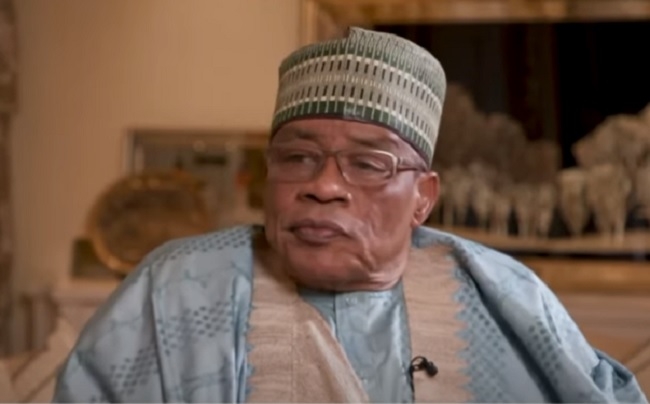
Former Military President, General Ibrahim Badamasi Babangida, has denied owning the mining site where 37 artisanal miners were reportedly arrested before their deaths in the custody of the Nigeria Security and Civil Defence Corps (NSCDC).
Babangida, in a statement issued by his media office and signed by Dr Danladi Umar Abdulhameed, described as false and baseless a report published by on online medium alleging that the mining site belonged to him.
The statement, made available to journalists on Saturday, said Babangida had no connection with the mining operation in question.
It read in part: “My attention has been drawn to a publication by an online medium alleging that the mining site where illegal miners were arrested belongs to General Ibrahim Badamasi Babangida, GCFR.
“This allegation is false, baseless and completely without foundation.
“It is particularly troubling that the author admitted in the same publication that the allegation was unverifiable, yet proceeded to publish it. An allegation that cannot be verified should not be published as though it were established fact.”
Babangida’s media office demanded that the impression created by the publication be corrected, insisting that the former military leader had no involvement in the mining operation.
“General Babangida has no connection whatsoever with the mining operation in question.
“We urge members of the public to disregard the report and the unfounded allegation contained in it,” the statement added.
The former military president’s media office said it respected the medium and its contribution to investigative journalism in Nigeria, but stressed that such a reputation came with a responsibility to ensure accuracy, fairness and proper verification before publishing serious allegations.
The statement further said Babangida, the Madakin Minna, had lived closely and peacefully with his people since his retirement from public office in 1993.
It added that at 85, Babangida required prayers rather than what it described as “blackmail.”
