


Nighttime Light Exposure May Increase Heart Disease Risk, Study Finds By Crystalnews Online
Exposure to even small amounts of light while sleeping may alter the structure and function of the heart, potentially increasing the risk of cardiovascular disease, a new study has found.
The study, published in the European Heart Journal, found that people exposed to more than three lux of light during sleep had thicker heart muscle walls and reduced heart-pumping efficiency compared with those who slept in darkness.
Researchers said the findings suggest that limiting exposure to artificial light at night could become part of strategies aimed at preventing heart disease.
“Light pollution has emerged as a new risk factor for cardiovascular disease,” said the study’s senior author, Dr Lu Qi, Professor and Director of the Tulane University Obesity Research Center in New Orleans.
The researchers analysed more than 11,000 people without cardiovascular disease who participated in the UK Biobank study, a major biomedical database containing health and genetic information.
Participants wore wrist sensors for seven days to measure their exposure to light while sleeping.
About three years later, they underwent cardiovascular magnetic resonance imaging to assess the structure and function of their hearts.
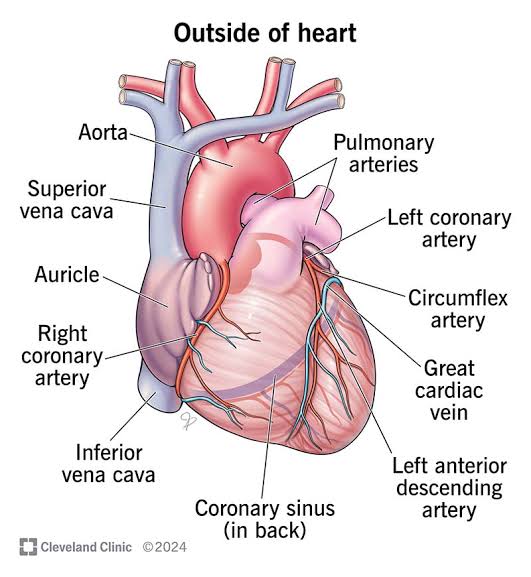
The study found that nighttime exposure above three lux was associated with thickening of the walls of the heart’s left ventricle, leaving less space inside the chamber.
Researchers also observed reduced flexibility of the heart muscle during a heartbeat, which they described as an early sign of impaired heart function. Changes were also detected in two other chambers of the heart.
Dr Andrew Freeman, director of cardiovascular prevention and wellness at National Jewish Health in Denver, who was not involved in the study, described the changes as cardiac remodelling.
“We don’t want the heart muscle to get thick. We don’t want the heart muscle to get stiff. We don’t want the heart to get too big,” Freeman said.
According to Qi, between 24 and 49 per cent of the observed impact on the heart could be linked to shorter sleep duration of less than five or six hours, which may result directly from exposure to light at night.
He added that other factors, including stress and changes in blood pressure and heart rate, could also contribute to the remaining risk.
Experts Urge Darker Bedrooms
Experts recommend keeping bedrooms as dark as possible during sleep, with some suggesting illumination of no more than one lux.
Sources of nighttime light can include smartphones left face-up, digital alarm clocks, hallway lighting and outdoor light entering through windows.
Experts recommend using heavy curtains or blackout shades to prevent outdoor light from entering the bedroom.
A sleep mask may also help where light continues to enter the room.
They also advise turning off unnecessary hallway lights and using dim, warm-coloured or reddish lighting where a night light is necessary.
However, researchers acknowledged limitations in the study. Karl Lawrence, a lecturer at King’s College London, noted that measuring participants’ light exposure for only one week may not fully reflect their long-term exposure.
He also questioned whether a wrist-mounted light sensor accurately measured the amount of light reaching the eyes.
Lawrence said further research would be needed to establish whether nighttime light exposure directly causes the changes observed in the heart.
Source: CNN
