


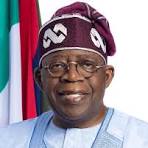
Tinubu: We’ll Expand CNG, Reject Return to ‘Ruinous’ Petrol SubsidyBy Peace Osigwe
President Bola Tinubu has said his administration is exploring cheaper energy alternatives to reduce transportation costs across the country, stressing that Nigeria cannot afford to return to what he described as the “ruinous” petrol subsidy regime.
Tinubu stated this while reviewing the impact of the National Affordable CNG Transit Programme, noting that Nigeria’s status as a gas-rich country provides an opportunity to reduce its exposure to fluctuations in global energy prices.
The President said his administration had, over the past three years, invested in developing a Compressed Natural Gas (CNG) transportation ecosystem across the country.
According to him, more than 120,000 vehicles have so far been converted to CNG, while over 400 certified conversion centres and more than 90 CNG refuelling stations are currently operating nationwide.
“Over the last three years, my administration has deliberately invested in building a CNG transportation ecosystem across Nigeria.
“Today, more than 120,000 vehicles have been converted; we have over 400 certified conversion centres and more than 90 CNG refuelling stations across the country, and these figures are increasing daily,” he said.
Tinubu said the current global energy crisis made it necessary for Nigeria to accelerate the development of domestic alternatives rather than return to petrol subsidies.
“At a time like this, our answer cannot be to return to the ruinous petrol subsidy regime that consumed trillions of naira and left our economy exposed to every movement in international oil prices, as some have suggested.
“We must accelerate the cheaper alternatives we have been building at home,” he said.
The President noted that several states had begun implementing CNG-powered transportation programmes, resulting in reductions in fares for commuters.
He cited Edo, Kano, Delta, Kwara, Lagos and Akwa Ibom as states expanding their CNG transportation initiatives.
According to him, Edo currently has 50 CNG buses in active service, while Kano has converted more than 1,000 commercial vehicles and is expanding its conversion and refuelling infrastructure.
Tinubu also said Akwa Ibom had taken delivery of 50 CNG buses ahead of commercial operations.
He urged state governments to sustain the momentum ahead of October 1 by working with transport unions and commercial operators to expand CNG conversion and fleet deployment.
“Above all, ensure that savings from cheaper energy reach Nigerian citizens through lower fares,” he said.
The President said the Federal Government would continue to support the expansion of CNG infrastructure and conversion capacity while creating an enabling environment for states, transport operators, manufacturers and private investors.
“We already have evidence from across Nigeria of what is possible when cheaper energy translates into cheaper transportation,” Tinubu said.
He cited Borno, where CNG-powered and electric public transport services are reportedly carrying commuters for between ₦50 and ₦100 on routes where commercial operators charge between ₦300 and ₦600.
In Kaduna, he said, 100 CNG-powered buses provide free transportation on major routes, carrying about 3.2 million passengers in their first year and saving commuters more than ₦3.5 billion in transport costs.
Tinubu further said CNG buses deployed by Pacesetter Transport in Oyo reduced the Lagos-Ibadan fare from about ₦8,000 to ₦3,200 during the initial deployment.
In Adamawa, he said alternative-energy transit services had reduced fares by as much as 50 per cent, from ₦8,000 to ₦4,000.
Similarly, in Enugu, the deployment of 100 CNG buses reduced the Enugu-Nsukka fare from ₦2,500 to ₦1,500, while government-supported buses in Plateau transport about 13,000 commuters daily for ₦200, compared with commercial fares of more than ₦500.
He added that, through a partnership with the National Union of Road Transport Workers (NURTW), passengers using CNG-converted commercial vehicles on some Abuja routes enjoy fare reductions of up to 40 per cent.
“Nigeria has the gas. We are building the infrastructure. We are already seeing the savings.
“Now we must move faster and scale this so that more Nigerians feel those savings in the fares they pay every day,” the President said.
