


Ignorance More Dangerous Than Terroris oh
By Hon. Ofoni Daupuamo Williams
“If you think education is expensive, try ignorance.” This popular saying underscores the devastating consequences of ignorance on individuals, communities and nations.
A terrorist may bomb a building, but society can rebuild it. Ignorance, however, destroys the mind, and a misguided mind can destroy an entire nation.
While terrorism claims lives and attracts widespread condemnation, ignorance silently robs millions of young people of their future by denying them access to truth, education and civic knowledge.
A terrorist can be arrested and prosecuted, but how do we restrain ignorance in a person who mistakes blackmail for politics, considers the destruction of democratic institutions an act of leadership, or believes that tribal interests must prevail even at the expense of national progress?
Terrorism presents an obvious enemy, but ignorance can be more dangerous because it often disguises itself as patriotism, political activism or public service.
It can manifest through voters, youth leaders, social media commentators and traditional leaders whose actions and opinions undermine peaceful coexistence and democratic development.
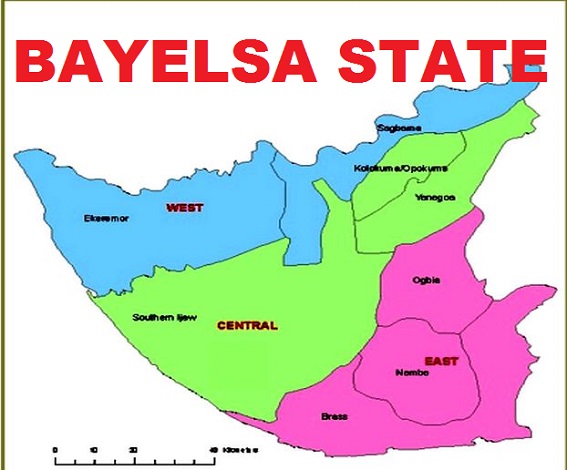
This is one of the challenges confronting Bayelsa State and Nigeria at large.
When young people do not understand the constitutional responsibilities of the legislature, they may celebrate attacks on the institution rather than demand accountability from their representatives.
When citizens fail to understand their history, they risk repeating the mistakes of the past.
The political experiences of the Western Region between 1960 and 1965, often associated with the era of political turmoil popularly described as the Wild Wild West, offer important lessons about the dangers of political rivalry and instability.
Similarly, when politics is reduced to personal attacks, ethnic sentiments and partisan hostility, issues that directly affect the welfare of the people are pushed aside.
Instead of focusing on development, employment, education, healthcare, infrastructure and economic opportunities, political actors and their supporters become preoccupied with who wins or loses.
Ignorance also creates fertile ground for frivolous allegations, baseless accusations, malicious blackmail and petitions that lack credible evidence.
Such actions can inflame political tensions, damage reputations and distract public institutions from their responsibilities.
A democratic society must, therefore, encourage constructive criticism while discouraging the spread of misinformation, hatred and unsubstantiated claims.
Citizens must learn to distinguish between legitimate opposition and political hostility, just as public officials must remain accountable to the people they serve.
The central argument is that terrorism may be the visible symptom of a deeper societal problem, while ignorance can help sustain the conditions in which violence, intolerance and institutional breakdown thrive.
As the saying attributed to the Pinaoge Series of 12091987 puts it: “You can cure terrorism with soldiers. You can only cure ignorance with education, truth, and institutional justice.”
It is against this background that Bayelsans and Nigerians should embrace issue-based politics, constructive engagement and the pursuit of development.
The administration of Governor Douye Diri in Bayelsa State has consistently advocated a focus on issues and development.
Citizens and political stakeholders should support this principle by prioritising ideas, policies and programmes that improve the lives of the people rather than engaging in destructive political battles.
Political differences are inevitable in a democracy, but they should never become an excuse for promoting falsehood, hatred or the destruction of public institutions.
A healthy democracy requires an informed electorate, responsible political leadership and institutions that operate according to the law.
Education, historical awareness, civic responsibility and respect for the rule of law are essential tools for confronting ignorance.
Political leaders, community stakeholders, the media and young people all have a role to play in building a society where facts matter more than propaganda and development takes precedence over division.
Ultimately, the future of Bayelsa State and Nigeria depends not only on the physical infrastructure we build but also on the quality of knowledge, judgment and values we cultivate in our people.
Ignorance is a formidable enemy of progress. Let us confront it with education, truth, justice and issue-based politics.
May all right-thinking Bayelsans and Nigerians embrace this message and say a resounding Amen!
