


 NAS Raises Alarm Over Mental Health Crisis Among Nigerian Youths, Worker
Peace Osigwe
The National Association of Seadogs (NAS), Oxbow Marino Deck, has raised concerns over the growing mental health challenges confronting Nigerian youths and working-class citizens, calling for increased government investment, improved healthcare infrastructure and sustained public enlightenment to address the situation.
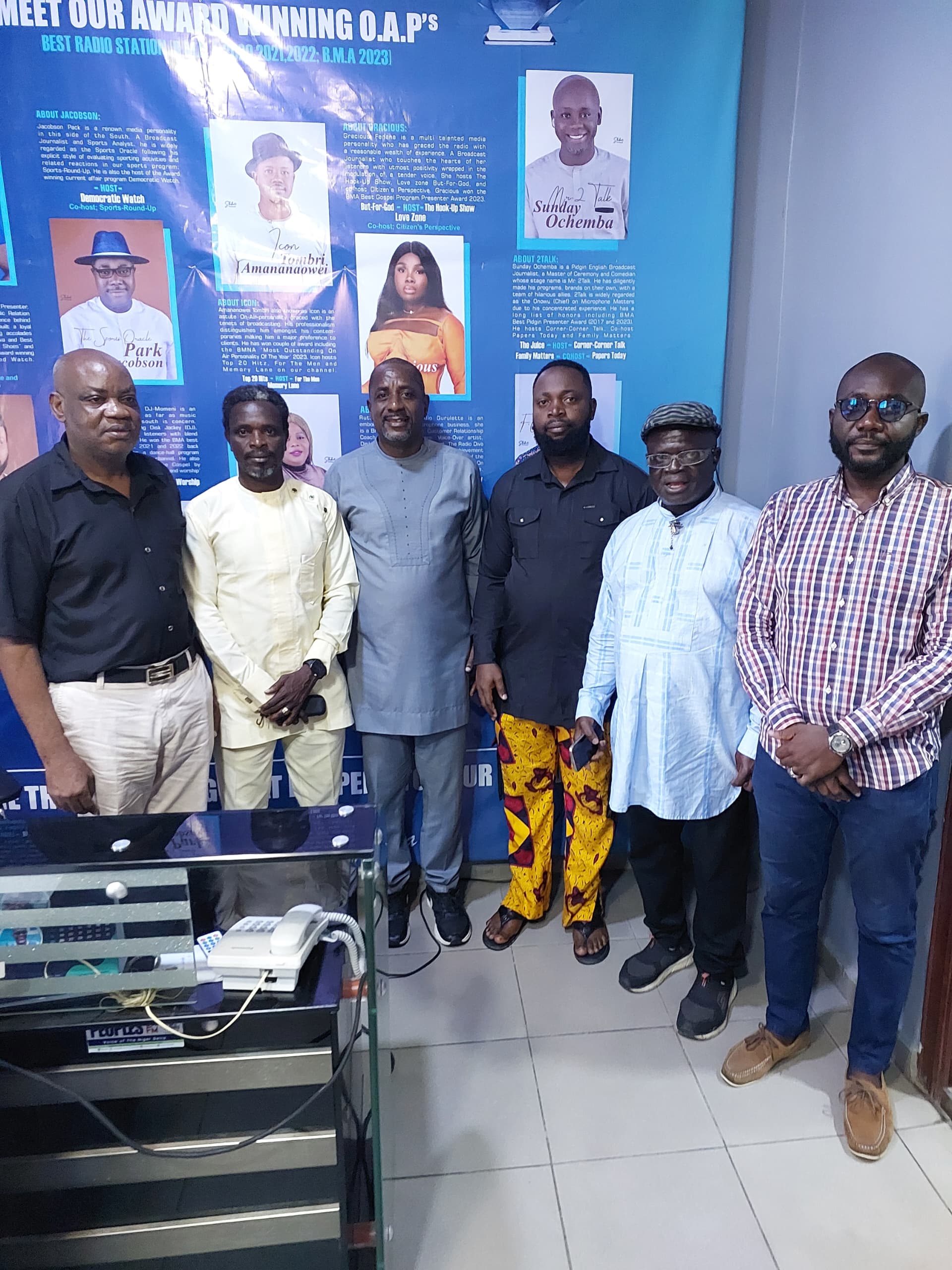
The association made the call during a live radio advocacy programme on Peoples FM 93.1, Yenagoa, Bayelsa State, to mark the 2026 World Mental Health Day, observed on October 10.
The programme, sponsored by NAS, Oxbow Marino Deck, was held under the theme, “Lived Experiences, Real Voices, Real Changes,” and brought together mental health professionals to discuss the challenges facing mental healthcare delivery in Nigeria.
The panel featured Dr. Okoh Michael Chike, Senior Registrar at the Mental Health Unit of the Federal Medical Centre (FMC), Yenagoa; Dr. Lawrence Ayah Iruo, Acting Head of the Department of Mental Health and Psychiatric Nursing, Faculty of Nursing Sciences, Federal University of Otuoke; and Dr. Tari Amakoromo, Acting Head of the Department of Community Health Nursing, Faculty of Nursing Sciences, Niger Delta University.
NAS was represented by Fieye R. Sam-Ateki, Buksaylor of Oxbow Marino Deck, and Oti Premobowei, Second Mate of the deck.
In his message, the Capoon of NAS, Oxbow Marino Deck, Arc. Binafeigha Timiebi, PhD, said mental health was a collective concern, stressing that many people experience emotional and psychological difficulties without others being aware of their struggles.
“ Mental health is a concern for everyone, and behind every person may be a struggle we cannot see, so we must listen with patience and respond with compassion rather than judgment,” he said.
He urged members of the association and the wider public to cultivate supportive relationships, check on the well-being of others, encourage open conversations about mental health and direct people experiencing difficulties to qualified professionals.
“No one should have to face a mental health challenge alone,” he added.
The discussion highlighted several factors undermining mental healthcare in Nigeria, including inadequate funding, a shortage of trained professionals, insufficient treatment facilities and equipment, difficulties accessing essential psychiatric medications, economic hardship and the increasing misuse of illicit substances, particularly among young people.
Speaking during the programme, Dr. Iruo expressed concern over the growing burden of mental health conditions, attributing part of the problem to the inadequate number of mental healthcare professionals, especially at the grassroots and community levels.
He said making trained professionals available within communities would strengthen mental health promotion, help prevent illnesses and facilitate the early identification and treatment of people experiencing psychological difficulties.
According to him, the limited availability of personnel and psychiatric facilities continues to constrain access to adequate care.
Dr. Iruo stressed that mental healthcare should extend beyond treating established illnesses to include preventive services, public education, early intervention and community-based support.
Similarly, Dr. Chike highlighted the operational challenges confronting the Mental Health Unit of FMC Yenagoa, particularly inadequate equipment and difficulties in obtaining essential psychiatric drugs.
“We find it difficult, even at times, to get drugs. It is very challenging, but we are trying our best to see what we can do to help people with mental health challenges,” he said.
He identified economic hardship and substance misuse as factors contributing to the mental health difficulties presented at healthcare facilities.
The doctor also expressed concern over the use of methamphetamine, popularly known as “ice,” among young people, warning that substance misuse could have serious consequences for individuals, families and society.
Dr. Amakoromo, in his contribution, emphasised the need for sustained awareness campaigns, efforts to tackle stigma and stronger support for mental healthcare services.
He identified the shortage of trained personnel as a major obstacle to effective service delivery, noting that education, professional training and public enlightenment were important in encouraging more students and healthcare workers to specialise in mental health and psychiatric nursing.
He said attracting more professionals to the field would help bridge existing gaps and improve the capacity of the healthcare system to respond to the needs of affected individuals.
The panelists called on federal and state governments, educational institutions, multinational organisations and international development partners to increase support for mental health education, research, professional training and service delivery.
They noted that mental health had not received sufficient attention compared with other areas of healthcare, particularly in the provision of scholarships, specialised institutions, essential medications and publicly funded treatment programmes.
The discussants also identified stigma and misconceptions as major barriers preventing people from seeking professional help and discouraging prospective healthcare workers from pursuing careers in mental health services.
They called for continuous public enlightenment to promote understanding, empathy and acceptance, urging families and communities to support people experiencing mental health difficulties rather than isolate or discriminate against them.
Attention was also drawn to vulnerable people experiencing mental health challenges who roam the streets of Yenagoa, alongside concerns about conditions in some care facilities.
The participants called for government intervention to provide appropriate accommodation, strengthen supervision and ensure that vulnerable individuals receive professional assessment, treatment and support.
They urged the Bayelsa State Government to strengthen existing mental health services, improve access to essential medicines, invest in specialised facilities and expand community-based care.
Listeners who participated in the radio programme also appealed for more affordable treatment, better-equipped care facilities and greater government commitment to addressing mental health challenges.
NAS, Oxbow Marino Deck, reaffirmed its commitment to public health advocacy and education, stressing the importance of sustained community engagement in reducing stigma and improving access to mental healthcare.
The programme ended with appreciation to the participating health professionals, Peoples FM and members of the public who contributed to the discussion, alongside a call for collective action to ensure that people experiencing mental health challenges receive appropriate care, dignity and support.
