


INEC seeks UN, UK support to tackle foreign disinformation ahead of 2027 poll
By Our Correspondent
The Independent National Electoral Commission (INEC) has identified foreign-sponsored disinformation and information manipulation as major threats to the credibility of the 2027 general elections.
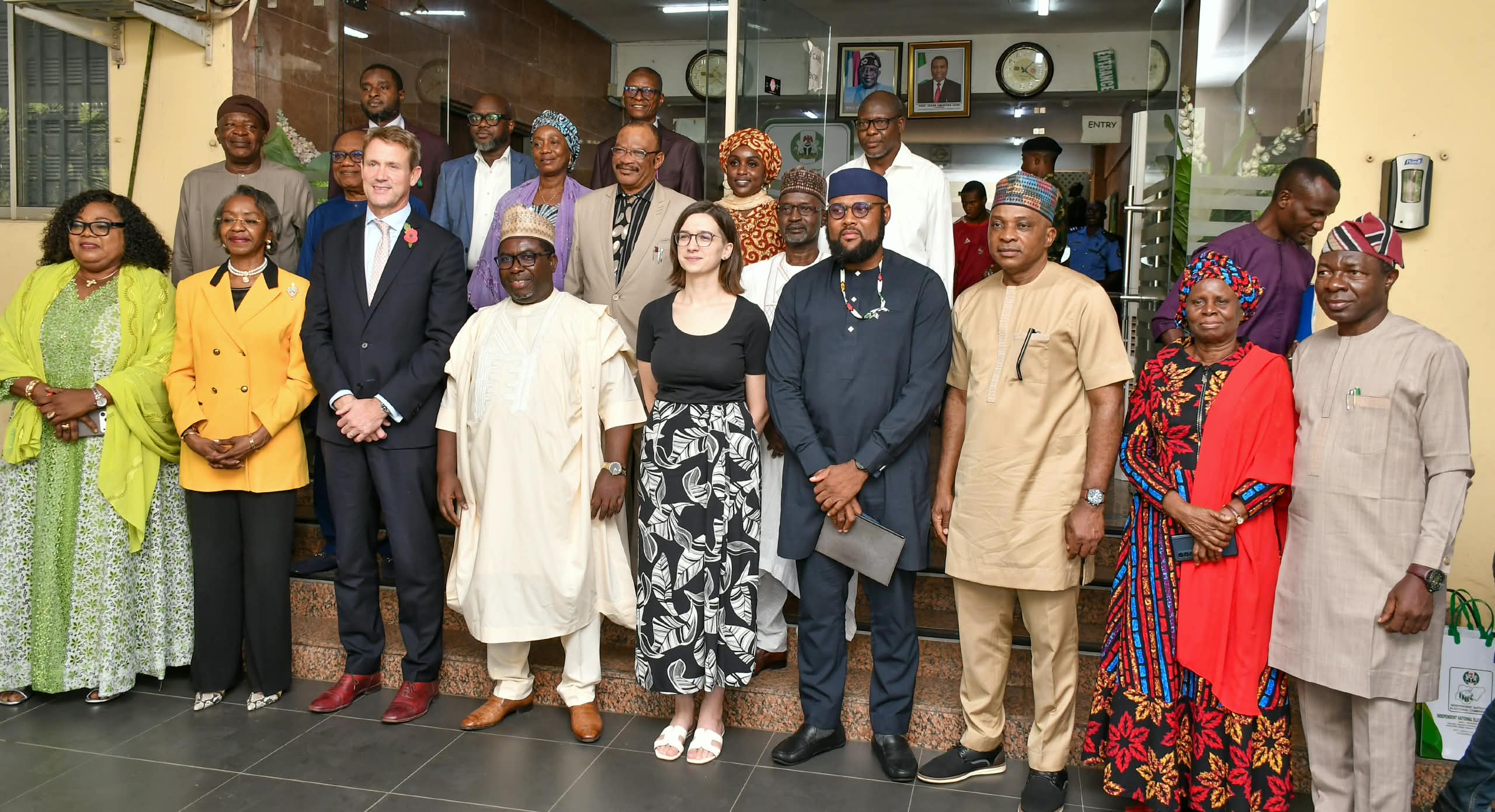
The Chairman of INEC, Prof. Joash Amupitan, raised the concern on Wednesday during separate courtesy visits by the Special Representative of the United Nations Secretary-General for West Africa and the Sahel and Head of the UN Office for West Africa and the Sahel (UNOWAS), Mr Leonardo Santos Simao, and the British High Commissioner to Nigeria, Mr Pete Vowles.
Amupitan called for stronger collaboration with the United Nations and the United Kingdom to tackle Foreign Information Manipulation and Interference (FIMI), fake news and other forms of disinformation capable of undermining the electoral process.
While receiving the UN delegation, the INEC chairman requested support for the establishment of a rapid response mechanism and public awareness campaigns to counter foreign-driven information manipulation.
He described the activities of foreign actors operating through proxy platforms and lookalike accounts as a major challenge, warning that the trend posed a serious threat to Nigeria and the wider West African region.
According to him, recent research conducted by the commission has revealed an increasing pattern of foreign information manipulation across the sub-region.
He disclosed that INEC had commenced local and zonal engagements to educate its staff and members of the public on the dangers of misinformation, disinformation and the misuse of artificial intelligence.
During his meeting with the British High Commissioner, Amupitan also sought joint initiatives to combat AI-driven manipulation, foreign information interference, fake news and hate speech in order to safeguard public confidence in Nigeria’s democratic process.
He said the commission shared the United Nations’ position that elections should promote peace and stability rather than trigger violence.
The INEC chairman assured the visitors that the commission was working towards credible elections in 2027 through improved logistics, transparent result management and timely declaration of results.
He further sought the UN’s assistance in developing early-warning and monitoring systems, as well as facilitating high-level dialogue among political stakeholders to prevent electoral violence and discourage hate speech.
Amupitan also called for joint programmes to promote the participation of women, young people and vulnerable groups in the electoral process.
He said INEC was deploying its Election Risk Management (ERM) tool in collaboration with security agencies to identify vulnerable areas and ensure adequate preventive measures.
In his remarks, Simao said the United Nations was committed to supporting INEC in the challenging task of conducting credible elections.
He warned against the use of elections as a trigger for violence, stressing that the process should not become another burden for the country.
The UN envoy disclosed that UNOWAS had engaged political parties, candidates and government institutions on Nigeria’s preparedness for the 2027 elections.
He assured that the United Nations would monitor the electoral process, although not as election observers, explaining that the organisation lacked the mandate for such a role.
Rather, he said, the UN would seek to inspire and encourage positive conduct among political actors and other stakeholders.
Similarly, Vowles described his visit as a courtesy call aimed at understanding INEC’s operations and preparations for the forthcoming elections.
He said Nigeria’s democracy was important not only to its estimated 240 million citizens but also to West Africa and the international community.
The British envoy described the 2027 general elections as an important opportunity for Nigeria to demonstrate how a strong democracy could function effectively in a large and diverse country.
